Nine Mississippi Sites Have Been Added to the National Register of Historic Places Since January
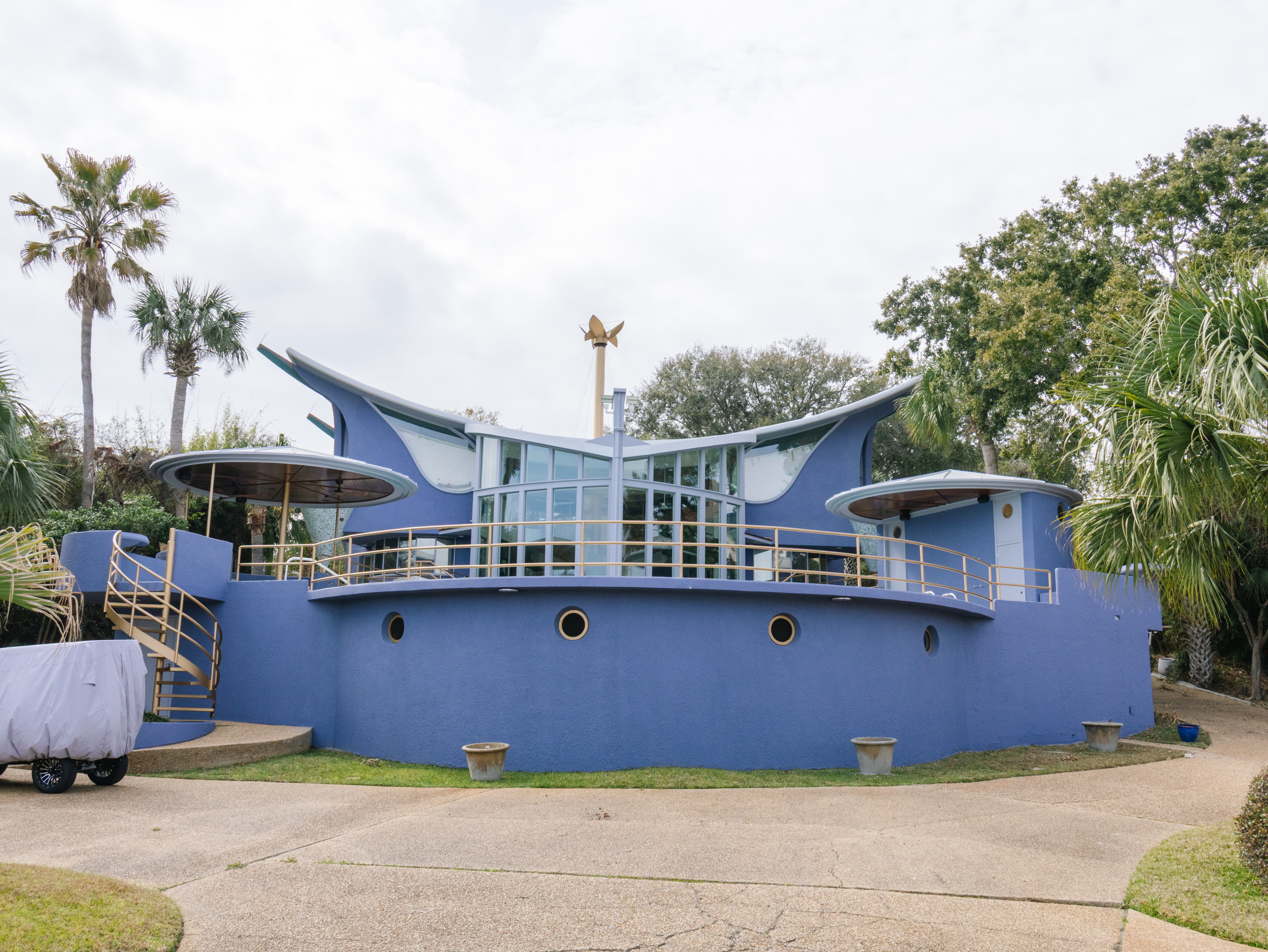
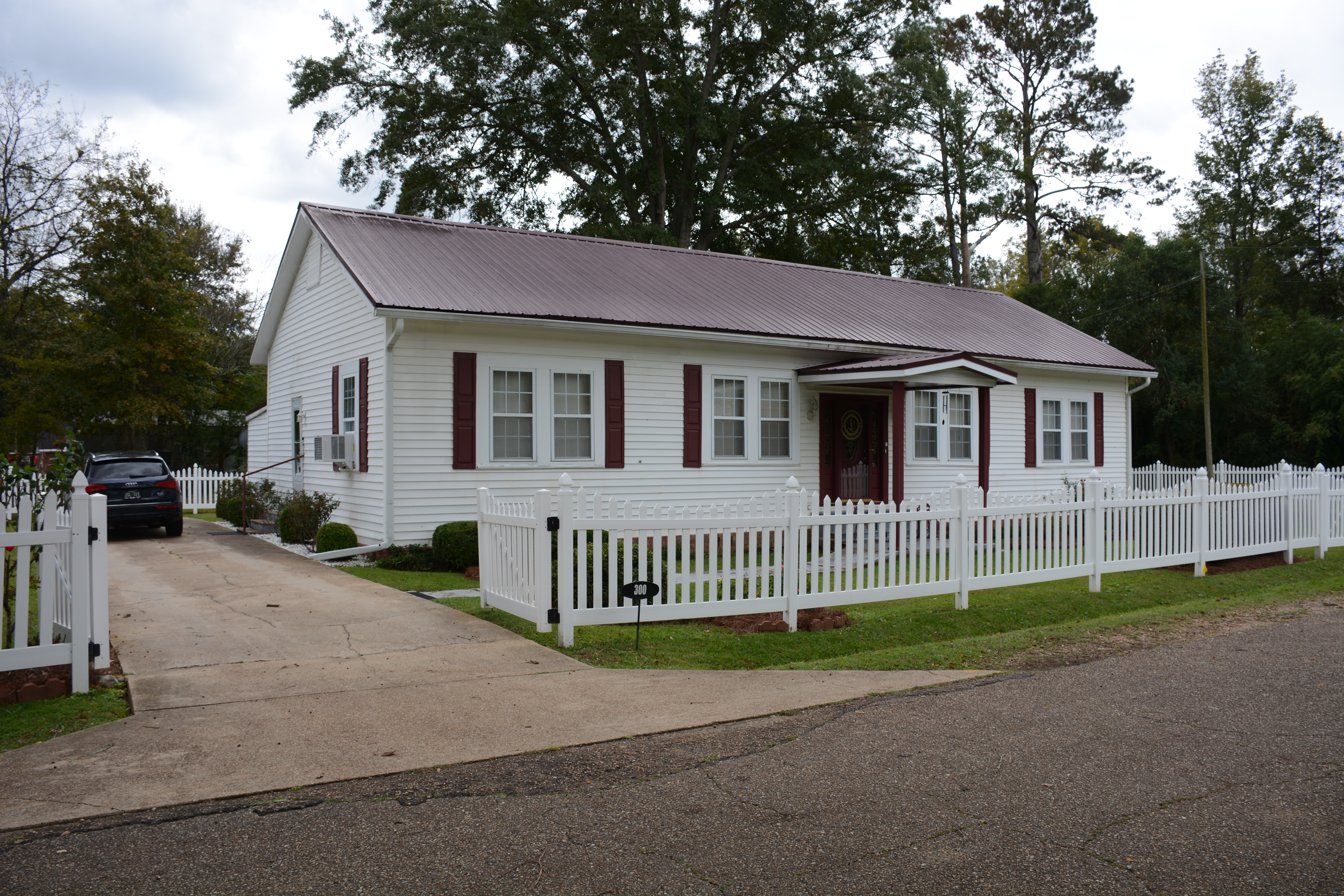
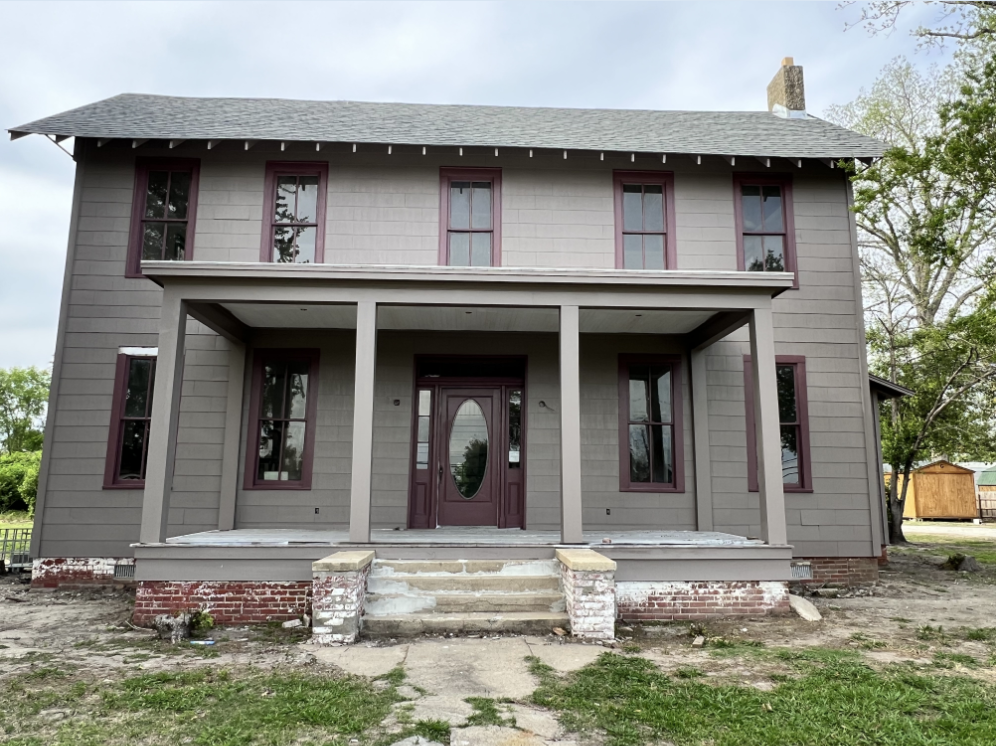
Nine Mississippi properties have been listed in the National Register of Historic Places so far this year, including the Terry Rosenwald School that served Black students in Hinds County from 1924-1948; the W.C. and Elaine Gryder House in Ocean Springs, built by Robert Faust and is an example of Organic style architecture designed by notable American architect Bruce Goff; and the Dr. Early Colman and Ann Foote Clements House, built circa 1891 in Rolling Fork.
The National Register of Historic Places is the nation’s official list of historic resources worthy of preservation. Mississippi has 1,541 listings in the National Register. Most of the listings in the National Register are buildings, but other historic resources that have been listed include historic districts, objects, sites, and structures.
The Mississippi National Register Review Board, administered by the Mississippi Department of Archives and History, reviews, makes comments on any changes needed to be made on nominations, and approves or disapproves nominations presented to the board. The approved nominations are forwarded to the National Park Service, which makes the final determination to list the resource.
The following is the full list of the 2026 Mississippi sites listed so far in the National Register and the chronological order in which they were listed:
- Natchez Outbuilding Survey Multiple Property Documentation Form, Jan. 26 – The outbuildings and ancillary structures in Natchez are significant artifacts of the experience of enslavement that give insight of daily life during the pre-Civil War period.
- Texada (Boundary Increase and Additional Documentation) – Natchez, Adams County, Jan. 26 – The property is composed of a large, two-story, six-bay, double pile brick house at the corner of S. Wall and Washington streets; a two-story, brick kitchen/quarter at the rear and set parallel to the main house; a two-story wood-frame quarter facing Washington Street; and brick-paved courtyard and grassy work yard site.
- "Prairie Queen" – West Point, Clay County, Jan. 26 – Built in 1898 for Ben Walker by his cousin, Master Builder James R. Walker, the plantation house is a significant local example of a late 19th century Greek Revival style. While built almost a half century after the grandest Greek Revival houses in the area, “Prairie Queen” is a large-scale version of this style showing its continued popularity in the area.
- Hill-Burton Multiple Property Documentation Form, Feb. 23 – The Hill-Burton Act led to more than 200 new healthcare facilities being built in Mississippi between 1948 and 1975. The majority of Hill-Burton funded facilities were in the Southern states, with Mississippi as the nation’s leading recipient. The program played a key role in the future integration of public health care and is oftentimes considered vital federal legislation toward progressive social reform and civil rights.
- Coahoma Community College Historic District – Clarksdale vicinity, Coahoma County, Feb. 23 – Coahoma Community College is a small historically black college located five miles north of Clarksdale in the Mississippi Delta. Most of the buildings on the Coahoma Community College campus date to the mid-20th century, with major construction projects taking place throughout the 1950s and 1960s.
- Terry Rosenwald School – Terry, Hinds County, Feb. 23 – The "Colored Public School of Terry" was built as a Rosenwald School, one of over 5,500 such buildings built throughout the South with both private and public funding for Black students. The school building on this site is documented as “Terry School” on a school card in the records of the Julius Rosenwald Fund Collection at Fisk University.
- (Old) Kemper County Hospital – DeKalb, Kemper County, Feb. 23 – The (Old) Kemper County Hospital, built in 1949, is significant as a Hill-Burton funded healthcare facility, along with being an intact example of a mid-20th century International style hospital.
- Dr. Early Colman and Ann Foote Clements House – Rolling Fork, Sharkey County, March 30 – The Clements House was built circa 1891 for Dr. Early Colman and Ann Foote Clements, who were early settlers of Rolling Fork. The Clements House is significant as a late 19th century I-house, a rare intact example of period architecture.
W. C. and Elaine Gryder House – Ocean Springs, Jackson County, June 15 – The W.C. and Elaine Gryder House is significant as one of Mississippi’s best examples of Organic architecture. It was designed by prominent Organic architect Bruce Goff specifically for its occupants, William Conneil and Elaine Gryder.